
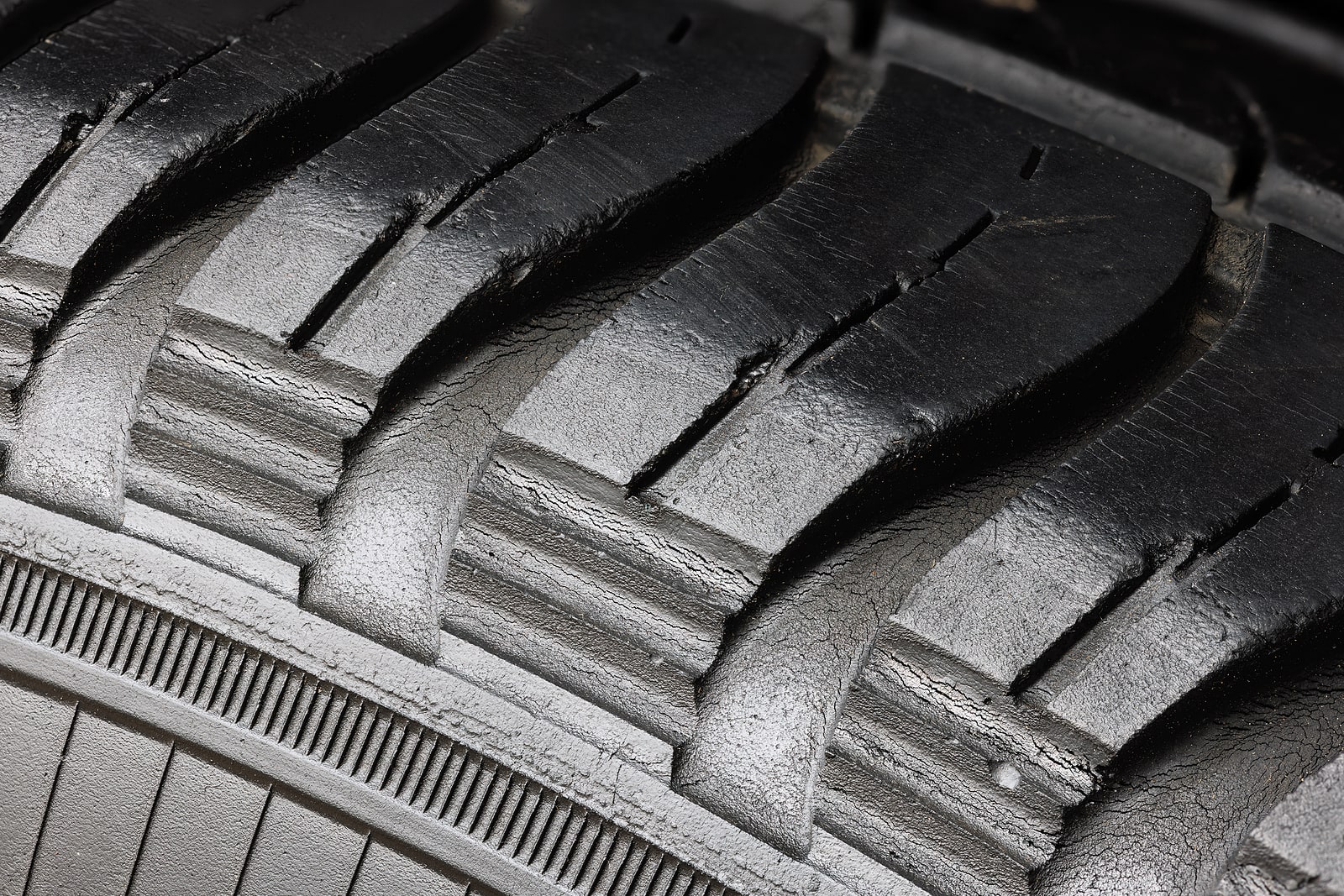
Over time, tires are exposed to precipitation, brake dust, chemicals, sunlight, and temperature fluctuation from summer to winter. While tires have anti-aging chemicals within the rubber to help protect them, exposure to these elements can cause rubber to lose some of its elasticity, which then causes the surface to age and crack. Under normal circumstances, tires should last around five to seven years, but as they age, they begin to rot, and it’s only a matter of time before the cracks can be dangerous. Here is more information about the aging and cracking in tires, what you can do to prevent this wear, and how to get help.
What are the Cracks in Tires?
Also called weather checking, weather cracking, and ozone cracking, cracks in tires are typically small and develop in the sidewalls or at the base of the tread grooves. These are signs the rubber in the tires is starting to break down. While cracks typically start developing on the sidewall, they then move to the outer part of the tire underneath the tread. As the rubber flexibility declines, larger cracks develop, and once this happens, it’s only a matter of time before the tires become dangerous. Cracks aren’t always a bad thing and don’t necessarily mean the tire needs replaced. But as they grow in length, depth, or number, replacing your tires may be necessary.
Are Cracks in Tires Necessarily Bad?
As the cracks grow, they can wear down quickly. This can turn small cracks into major cracks or other problems that can put you at risk of blowing a tire. If the cracking between treads is visible, the tire’s structural integrity is likely compromised. At this point it’s important to have a professional inspect the tire. If cracks are in a tire that’s only a few years old, this could also be a manufacturing defect that needs addressed and replaced immediately.
How to Prevent Aging and Cracked Tires
The best way to prevent your tires from aging and cracking is by keeping them out of the elements as much as possible:
- If you can, park your car in a garage away from direct sunlight.
- Clean snow and mud off the tires after driving.
- Keep the tires inflated to reduce the strain placed on the tire.
- Don’t allow your tires to sit in standing water.
- Don’t let your vehicle sit in one place for too long. Even if you don’t regularly use your car, take it for a drive every few days to move the tires around.
What to Do if your Tires are Aging or Cracked
If you notice signs of aging or cracking on your tires, take it to your local tire shop for inspection. Sometimes, cracked tires can be repaired, but this may only mask the issue instead of fixing it. When cracking is serious, the tires likely need replaced for your safety and the safety of other drivers on the road.
Frequently Asked Questions
How can I tell the difference between normal tire aging and dangerous dry rot?
Very small, shallow surface cracks may simply indicate normal aging, especially on older tires. However, if cracks become deeper, spread across the sidewall or between the tread blocks, expose internal materials, or are accompanied by bulges, air loss, or vibration while driving, the tire should be inspected immediately. A professional can determine whether the tire is still safe or needs replacement.
How old is too old for a tire?
Age is just as important as tread depth. Many tire manufacturers recommend having tires professionally inspected once they reach five years of age, and many advise replacing tires around ten years from the date of manufacture, even if they still have usable tread. Factors such as climate, storage conditions, and driving habits can shorten or extend a tire’s service life.
How do I find the age of my tires?
Every tire has a Department of Transportation (DOT) code molded into the sidewall. The last four digits indicate when the tire was manufactured. For example, a code ending in 2323 means the tire was made during the 23rd week of 2023. If you’re unsure how to locate or interpret the DOT code, a tire professional can help.
Can tire shine or protectants prevent tire cracking?
Most cosmetic tire shine products improve appearance but do little to prevent aging. The best protection comes from maintaining proper tire pressure, avoiding prolonged exposure to sunlight when possible, cleaning tires regularly, and driving the vehicle often enough to keep the tire compounds flexible. Always use products specifically approved for tire rubber, as petroleum-based cleaners may accelerate deterioration.
Does low tire pressure contribute to tire damage?
Yes. Underinflated tires flex more as they roll, generating excess heat that accelerates rubber degradation and increases the risk of premature wear, sidewall damage, and even blowouts. Checking tire pressure at least once a month and before long trips is one of the easiest ways to extend tire life.
Can cracked tires pass a Maryland vehicle safety inspection?
It depends on the severity of the damage. Minor cosmetic weather checking may not automatically cause a tire to fail inspection, but significant cracking that affects the tire’s structural integrity or creates an unsafe condition may require replacement. A qualified technician can determine whether your tires meet Maryland safety standards.
Should all four tires be replaced if one tire is badly cracked?
Not necessarily. The answer depends on the age, tread depth, and condition of the remaining tires, as well as whether your vehicle has front-wheel drive, rear-wheel drive, all-wheel drive, or four-wheel drive. On many all-wheel-drive vehicles, manufacturers recommend replacing all four tires together to prevent drivetrain damage caused by uneven tire diameters.
Can tires dry rot even if they have plenty of tread left?
Yes. Tread depth and tire condition are two separate issues. A tire can have excellent tread but still become unsafe because the rubber has deteriorated with age, sunlight, ozone exposure, or prolonged inactivity. This is why tire inspections should include both tread wear and the overall condition of the rubber.
Contact Us
It can be difficult to tell on your own whether the damage is serious enough to be a problem. The experts at Hollenshade’s Auto Service can help inspect and diagnose any problems and do any repairs or replacements you may need. Call 410-828-5750 or request an appointment online today.